LatestBeats Per MinuteOct 16, 2026
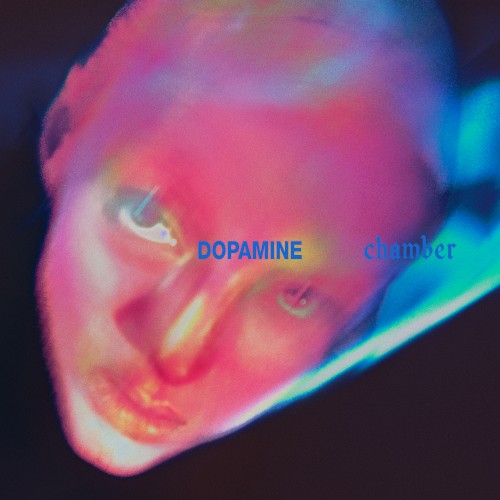
Album Review: Fontaines D.C. – Dopamine Chamber (opens in new tab)
The idea of cultural recurrence is very appealing to me.
Post-punk is what happened when punk's energy met a bigger record collection. The songs keep the urgency but swap the three-chord rush for wiry, angular guitar, bass lines that carry the tune, dub-style space and drums that often lock into something close to dance music. The mood runs from cold and tense to jittery and funny.
It grew out of the UK punk explosion of 1976 and 1977, as bands in London, Manchester, Leeds and beyond, plus a few in American cities like Cleveland and New York, treated punk as a starting point rather than a rulebook. The late 1970s and early 1980s produced a remarkable run of records, and the sound fed straight into goth, indie and alternative rock.
Every decade since has had its post-punk revival, from the New York bands of the early 2000s to the current wave from Ireland, the UK and the American Midwest. Its restlessness is the draw: it still sounds like people inventing something.
Pere Ubu: Cleveland band already bending rock out of shape in the mid 1970s, mixing garage riffs, synth squalls and David Thomas's wild, yelping vocals.
Wire: London art-school band who stripped songs to the bone; their debut crams 21 short, sharp tracks, some barely a minute long.
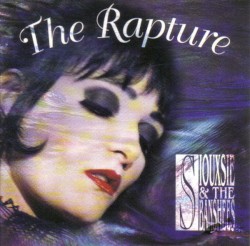
Siouxsie and the Banshees: Came out of the first London punk scene and built something darker and grander, with Siouxsie Sioux's commanding voice and swirling guitar.
Joy Division: Manchester band whose stark, echoing sound (shaped by producer Martin Hannett) and Ian Curtis's deep voice made some of the era's most haunted records.
Gang of Four: Leeds band with scratchy, stop-start guitar, funk-driven bass and pointed lyrics about politics and everyday life.
Public Image Ltd: John Lydon's band after the Sex Pistols, built on Jah Wobble's deep dub bass and Keith Levene's metallic, abrasive guitar.
The Fall: Mark E. Smith's ever-changing Manchester band: rattling, repetitive grooves and sardonic, half-spoken lyrics across dozens of albums.
The Slits: London band fronted by Ari Up who mixed punk with reggae and dub: loose, playful and unlike anyone around them.
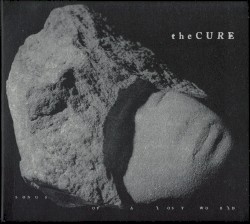
The Cure: Robert Smith's band began as a spare, minimal trio on record before becoming gloom-pop stars; the early records are the post-punk ones.
Interpol: A key band of the early 2000s New York revival: driving bass, cool, brooding guitar lines and sharp suits.
Protomartyr: Detroit band pairing tough, rolling guitar rock with Joe Casey's deadpan, gloomy and very funny lyrics about modern life.
Fontaines D.C.: Dublin band who arrived in 2019 with poetry-inspired lyrics and wiry guitars, and have grown bolder with every album since.
Twenty-one songs and not a wasted note: a masterclass in leaving things out.
Joy Division, Unknown Pleasures (1979)
Cavernous, cold and gripping, and still where most people start.
Gang of Four, Entertainment! (1979)
Jagged guitar and funk bass: you can dance to it and argue with it.
Public Image Ltd, Metal Box (1979)
Long, hypnotic dub-rock grooves with heavy bass and needling guitar.
The Cure, Seventeen Seconds (1980)
Misty, minimal and quietly beautiful; 'A Forest' is the song to hear first.
Siouxsie and the Banshees, Juju (1981)
Dark, driving and theatrical, with John McGeoch's guitar at its most inventive.
The Fall, This Nation's Saving Grace (1985)
A friendly door into a huge catalogue: tight, catchy and gloriously strange.
Fontaines D.C., Dogrel (2019)
A rough, punchy debut full of Dublin street life, and a great way into the current wave.




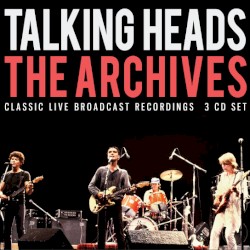

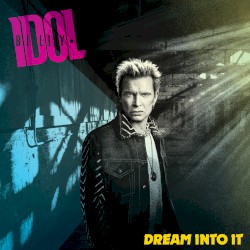

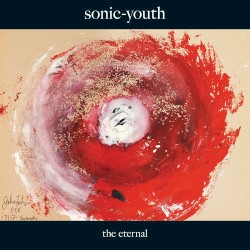
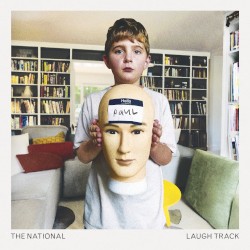



Last 30 days · via public radio playlists
| Rank | Album | Stations | Days on chart | Spins |
|---|---|---|---|---|
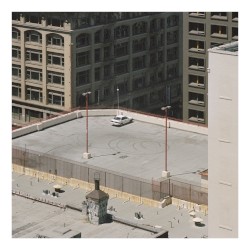
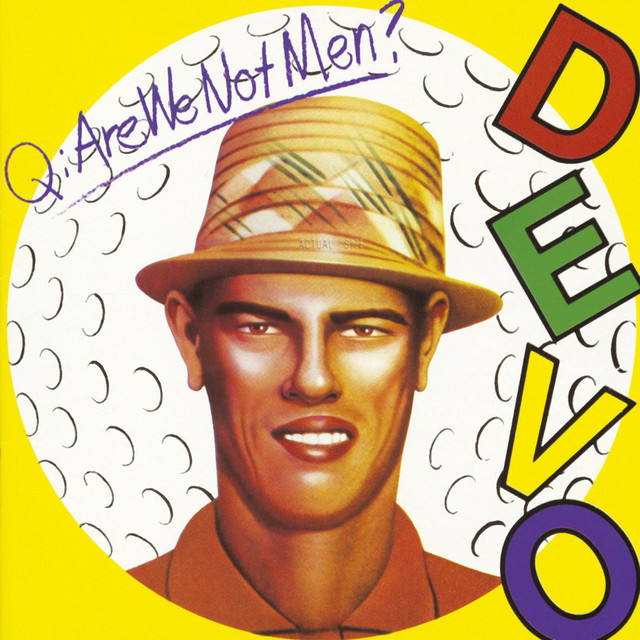
| 1 |  | KCRW, KEXP, KUTX, The Current, WXPN | 27 | 222 spins |
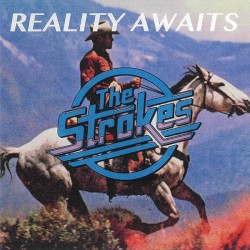
| 2 |  | KCRW, KRCL, KUTX, The Current, WXPN | 15 | 84 spins |
| 3 | | KEXP, KRCL, The Current, WXPN | 1 | 5 spins |
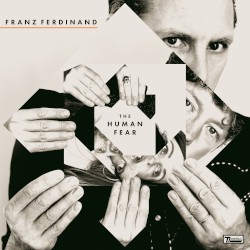
| 4 | | KEXP, The Current, WXPN | 1 | 4 spins |
| 5 |  | KEXP, The Current, WXPN | 1 | 4 spins |
| 6 | | KEXP, The Current, WXPN | 1 | 4 spins |
The idea of cultural recurrence is very appealing to me.
Fontaines D.C.’s last album, ‘Romance’, saw the Dublin quintet morph into Guitar Hero-style characters, remixing the unbuttoned shirts of post-punk past into something edgy, bold and cool.
A 16-disc box set captures 14 months of live sets from the post-punk titans’ prime.
Echo & The Bunnymen return to the fore with ‘Apples For Isaac’, their thirteenth album and their first in 12 years following 2014’s ‘Meteorites’.
Twenty-one years ago, the group opened its debut LP with a breakup song for the ages.
Originally issued as tour-only CD-Rs, these four diaristic albums from the singer-songwriter bundle together half-formed suites of slow, seasick recordings aimed squarely at the die-hards.
Where in the past Bloc Party have dealt in emotional ambiguity, on this seventh effort all metaphors are discarded.
There’s one particular moment from many years ago that I can never quite get out of my head: during a fantastic Berlin show, Interpol‘s frontman Paul Banks introduced the entire band, by name –…